A Mock Fire Drill takes you through each step of an actual fire drill without physical or close contact.
We have provided a step-by-step fire drill evacuation plan below. Once completed, we ask that you acknowledge you have read and understood the drill. The steps of this Mock Fire Drill are identical to those done in an actual Fire Drill.
STEP 1: START - The fire drill will commence when the alarm has sounded.
In a live fire drill, the alert would be made with a handheld signal horn sounding.
Please DO NOT grab personal belongings. You are required to exit promptly and safely.
STEP 2: EXIT - Leave the building through the exit closest to your department or to the area you are in at the time of the alarm.
Safety remains our priority; please DO NOT run; stay calm. If you are unsure which exit to use, please refer to the map provided.
STEP 3: MUSTER – After exiting the building, head to the designated meeting area in the parking lot. Your GROUP CAPTAIN will be holding up your MUSTER GROUP COLOUR.
Attendance must be taken; please check-in with your group captain and remain in the area until an all-clear is announced. If you are unsure what group you are in, refer to the list below.
STEP 4: CHECK-IN – Once everyone has checked in with the GROUP CAPTAINS, they must provide THE PRIMARY FIRE DRILL contact with the completed list.
STEP 5: RETURN – Once the primary fire drill contact has received the attendance list from all the GROUP CAPTAINS, an all-clear announcement will be made, allowing everyone to return to the building safely. The main entry doors will be propped open to avoid excessive contact with the handle.
In the case of a real emergency, we have included additional emergency procedures for your review.
If Fire or Smoke is Discovered
Stay calm.
Leave the affected area and close all doors behind you. Do not lock the doors.
Notify the fire department or call 911 when safe to do so.
Alert nearby occupants of the emergency and head to your muster point.
If the fire is in the early stages, use the building’s firefighting equipment if safe to do so.
Leave the building via the designated exit.
Do not re-enter the building until it is declared safe by the fire department.
Every fire situation can be different; please respond accordingly. Know your floorplan, exit routes and the location of your muster point.
A well-understood and practiced emergency response plan based on specific building hazards can help minimize stress during an emergency.
If You Are Trapped
Find a safe area, close the door, and keep it unlocked.
Seal off all openings (such as around a door) with clothes or towels; wetting them can help.
Stay low if there is smoke.
Call 911 and let them know of your location in the building.
Portable Fire Extinguisher Use
In the event a small fire cannot be extinguished with the use of a portable fire extinguisher or the smoke presents a hazard for the operator, the door to the area should be closed to confine and contain the fire. Leave the fire area. Ensure that the fire alarm system has been activated and that fire department has been notified prior to an attempt to extinguish the fire. Only those persons who are trained and familiar with extinguisher operation may attempt to fight the fire.
Use the acronym P.A.S.S. to remember the fire extinguishing sequence:
P - Pull the pin in the handle.
A - Aim the nozzle at the base of the fire.
S - Squeeze the leaver slowly.
S - Sweep from side to side until the fire is out or until the cylinder is empty.
Portable Fire Extinguisher Types
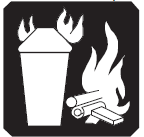
| Class A | For use on fires involving wood, cloth, paper, rubber, and many plastics. |
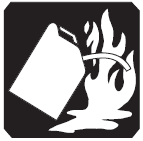
| Class B | For use on fire involving flammable liquids, combustible liquids, petroleum greases, tars, oils, oil-based paints, solvents, lacquers, alcohols, and flammable gases. |
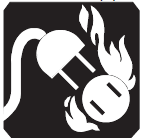
| Class C | For use on fires that involve energized electrical equipment. |

| Class D | For use on fires involving combustible metals, such as magnesium, titanium, zirconium, sodium, lithium, and potassium. |
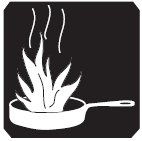
| Class K | For use on fires involving cooking appliances that use vegetable or animal oils and fats. |
URBACON is committed to providing and maintaining a safe, healthy, and accessible workplace for all employees and providing information, training, and supervision needed to achieve this.
Each employee is encouraged to play a vital and responsible role in staying aware of health and safety procedures and maintaining a safe workplace.
In signing below, I acknowledge that I have read and understood the information provided for the Mock Fire Drill and general Fire Emergency procedures.